
Access to Work Government Grant: Are you being supported in your work?
How the Access to Work government grant can fund workplace support like coaching, who can apply, what the assessment involves, and how payment works.
Neurodivergent burnout coaching for professional women in the UK
A 12-week coaching programme, online or in person around Wakefield and Leeds, for ADHD, autistic and AuDHD women. Recover from burnout, get the workplace adjustments you need, and build ways of working that fit your brain.
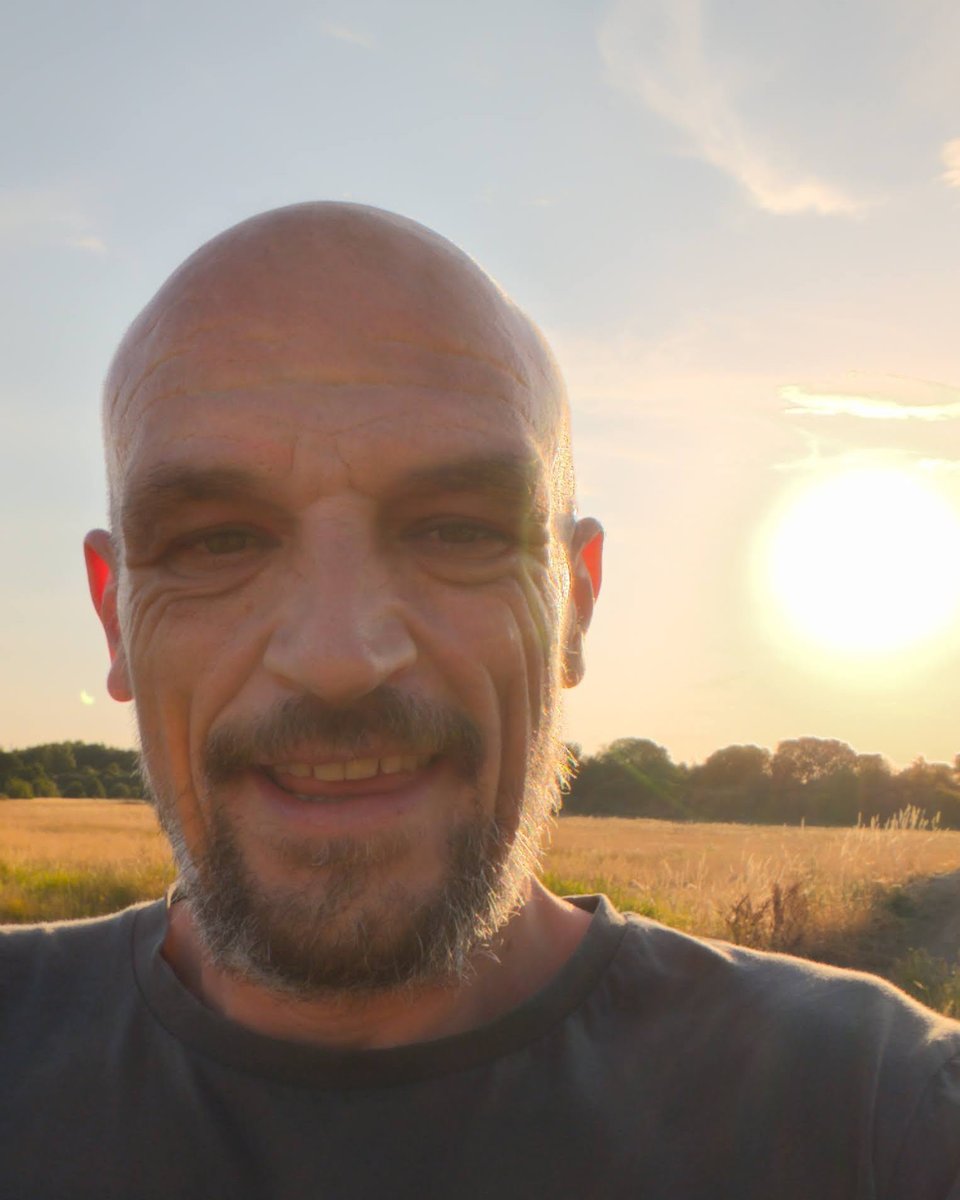 Roy BanksCertified ADHD coach with lived experience of ADHD
Does this sound familiar?
This isn't a character flaw. It's what happens when a neurodivergent brain works for years in a system built for someone else. It can change.
How I help
Every programme is shaped around you, but most clients need a mix of burnout recovery, workplace advocacy and executive function coaching.
Understand what's draining you and rebuild your energy at a pace that's realistic.
Work out what you need, put it in writing, and ask for it with confidence.
Practical systems for focus, time and organisation, built around how you actually work.
The programme
£1,950
For all 12 sessions. The same price whether you pay yourself or through Access to Work.
Book a free call (opens in new tab)No pressure and no obligation. We'll talk it through first.
How it works
A relaxed 30-minute video chat about what's going on and what you'd like to change. Camera on or off, whatever suits you.
Pay yourself, or I'll help you apply for Access to Work. Some employers also pay for coaching.
We agree your priorities and get going, at a pace that works with your energy, not against it.
Funding
Access to Work is a government grant that helps disabled and neurodivergent people stay in work. It can cover coaching like this programme.
Meet your coach
I was raised by a single mum bringing up five children. I watched her carry the weight of it all, day after day, and I saw what that pressure cost her. It stayed with me.
Over 25 years in the public sector, I saw the same pattern again and again in the women I worked with: carrying more, being heard less, and quietly burning out while still delivering.
Later in my career, I found out I have ADHD. Suddenly my own exhaustion and the workarounds I'd relied on for years made sense.
That's why I do this work. I help neurodivergent women who are running on empty to get the right support in place at work and build ways of working that fit how their brains work. I won't pretend to know exactly what it's like to be you. But I know burnout up close, I know how workplaces operate from the inside, and I'll be firmly in your corner when you ask for what you need.
Certified in ADHD Coaching · CPD, ADHD Works
Your brain isn't broken. It needs the right strategy and the right support.
Client stories
Danielle Prince, Homeless Prevention Officer for Young PeopleBefore working with Roy, I would regularly find myself completely overwhelmed and burnt out. I would take on far too much, say yes to everything, and constantly try to be everything for everyone. Eventually, I would hit a wall.
From my very first session, Roy helped me understand not only my diagnosis but also myself. For the first time in my life, someone was able to explain why my brain worked the way it did. The changes we discussed were often simple, but they were incredibly effective.
I learned that I wasn't broken, lazy, failing, or somehow less capable. That understanding changed everything. For any woman, especially any mum navigating a late ADHD diagnosis, I cannot recommend Roy highly enough.
Jonny Appleby, Secondary School TeacherI'd been diagnosed with ADHD about eight months before, and I was struggling to come to terms with it. As a teacher, I was overwhelmed at work. Everything felt like too much, all the time, and I was stressed and exhausted. CBT through my GP hadn't clicked for me.
Coaching with Roy helped me realise there was nothing wrong with having ADHD. Something that stuck was him saying it doesn't go away. I took that as a positive: this is me. It gave me permission to ask for what I need at work, and the confidence to be open about it at school, as a role model for kids with ADHD.
It's not a magic wand. But Roy was easy to talk to, we could have a laugh, and you won't be worse off. Definitely do it.
Free guides
How the Access to Work government grant can fund workplace support like coaching, who can apply, what the assessment involves, and how payment works.
How Access to Work can support people with ADHD at work, from coaching to equipment, who can apply, how to apply, and tips to get the most from it.
What ADHD really is, the three types, common symptoms, causes, how diagnosis works, and how ADHD coaching can help you thrive.
Questions
It can. Access to Work can fund support such as coaching if a condition like ADHD or autism affects you at work. You apply to Access to Work yourself, and each award depends on your circumstances. I can help you with the application.
A short document, written by you, that sets out what you find hard at work, what helps, and the adjustments you've agreed with your employer. It saves you explaining your needs again every time your manager or role changes. We write yours together as part of the programme.
A deep exhaustion that builds up when you spend years masking, pushing through and working in ways that don't suit your brain. It can affect your energy, focus, memory and mood, and rest alone often doesn't fix it. Coaching helps you understand what's draining you and change it.
£1,950 for 12 one-to-one sessions of 60 minutes. The price is the same whether you pay yourself or through Access to Work.
No. Many of my clients are self-identified or still on a waiting list. What matters is how things are affecting you at work.
Only if you choose to tell them. If you use Access to Work, your employer is usually involved in the application, and we can talk that through first. Your Workplace Passport is yours, and you decide who sees it.
Often, yes. We'd go gently and focus on recovery and planning your return. Coaching isn't therapy or medical treatment, so please keep your GP or healthcare team involved too.
No. Coaching is practical and focused on what happens next: your energy, your work and the support you need. If therapy would help more, I'll say so.
Either. Sessions can be by video call, so you can join from anywhere in the UK, and you can keep your camera off if that's easier. If you're around Wakefield or Leeds, we can also meet in person.
We talk about what's going on for you, I explain how the programme works, and you ask anything you like. There's no pressure to sign up.
Book a free 30-minute call. We'll talk about what's going on and whether the programme is right for you.
Book your free call (opens in new tab)